
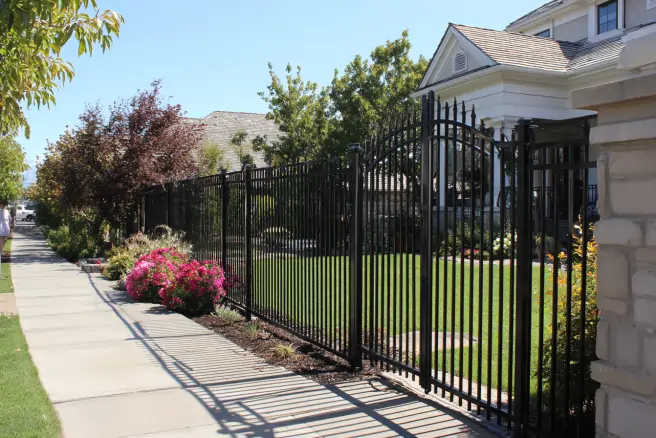
What Makes a Fencing Contractor Gainesville FL Stand Out in Fence Installation and Design

Workers install a metal profile fence stock photo

Choosing a professional fence company is critical to achieving a durable, aesthetically pleasing, and functional fence. But what exactly makes a professional fence company stand out in the crowded marketplace? Below are some of the key attributes that define excellence in fence installation and design.

Skilled Craftsmanship

  • Fences are installed with precision, ensuring structural stability.
  • Designs are visually appealing while meeting functional requirements.
  • Complex projects, such as those involving slopes or unique layouts, are executed without compromising quality.

Comprehensive Services

  1. Consultation and Planning: They work with clients to assess specific needs, preferences, and property features.
  2. Custom Design: They tailor designs to complement the property’s architecture and landscape.
  3. Material Selection: They offer expert guidance on choosing the best materials for durability and aesthetics.
  4. Installation: Their team ensures efficient and accurate execution of each project.
  5. Maintenance Guidance: Professional companies provide recommendations for long-term care to maximize the longevity of the fence.

Knowledge of High-Quality Materials

Material Type Key Features Best Applications
Wood Natural look; customizable; eco-friendly Residential properties; privacy fences
Vinyl Low maintenance; weather-resistant Modern homes; decorative fencing
Metal (Aluminum) Rust-resistant; sleek design Security fences; pool enclosures
Chain Link Cost-effective; durable Commercial properties; temporary fencing

Their expertise allows them to recommend materials based on climate conditions, maintenance preferences, and budget considerations.

Focus on Safety Standards

  • Ensuring proper alignment to avoid hazards or weak points.
  • Securing all posts adequately to prevent leaning or collapse over time.
  • Using non-toxic finishes or coatings for environmentally safe designs.

Adherence to safety standards not only enhances structural integrity but also reduces risks for homeowners or businesses.

Superior Customer Service

  • Responding promptly to inquiries.
  • Offering transparent pricing with no hidden fees.
  • Providing warranties that reflect confidence in their workmanship.

Innovative Design Capability

Exceptional fence companies don’t just install barriers—they create architectural enhancements that elevate outdoor spaces. From custom lattice patterns to color matching existing structures, they ensure each project aligns with both aesthetic goals and functional needs.

When evaluating potential contractors for your next fencing project, look beyond cost alone. A professional fence company brings craftsmanship, expertise in material selection, safety compliance, personalized design options, and top-tier customer service—all elements that contribute significantly to the quality of the final product.

Professional Fence Installation Gainesville FL: Expertise That Sets Us Apart

When it comes to fence installation, experience is a crucial factor that differentiates professional fence companies from basic installers. A well-built fence is more than just a boundary; it serves as a combination of functionality, safety, and aesthetic value. Professionals bring years of expertise to every project, ensuring that clients receive the best results possible. Below are some key aspects of how experience enhances the quality of fence building.

Knowledge of Diverse Materials and Techniques

  • Wood: Classic appearance and customizable but requires regular maintenance.
  • Vinyl: Durable, low-maintenance option suitable for long-term use.
  • Aluminum: Lightweight yet strong; often used for decorative or ornamental fences.
  • Chain Link: Economical and practical for security purposes.
  • Composite: A mix of wood fibers and plastic, offering longevity with minimal upkeep.

An experienced builder not only advises on the best material based on individual needs but also ensures proper installation techniques tailored to each material type.

Problem-Solving Skills Developed Over Time

  • Assessing soil conditions and grading difficulties.
  • Identifying potential obstructions like tree roots or rocks.
  • Securing necessary permits to comply with local codes.

Their ability to problem-solve ensures timely completion without compromising the integrity or design of the fence.

Attention to Design Details

An experienced professional doesn’t just build fences—they design them with precision for both form and function. They consider factors such as height requirements for privacy or security, style preferences that complement property aesthetics, and even neighborhood guidelines (e.g., homeowners’ association rules). Their expertise helps clients achieve fences that are not only structurally sound but visually appealing as well.

Craftsmanship That Stands the Test of Time

  1. Ensuring proper post depth for stability.
  2. Using high-quality fasteners resistant to weathering.
  3. Aligning panels uniformly to avoid gaps or uneven spacing.

This attention to detail creates a durable finished product that withstands environmental stressors like wind, rain, or seasonal changes.

Key Differentiators Basic Installers Professional Fence Builders
Knowledge of Materials Limited In-depth understanding
Problem-Solving Capability Minimal Proactive planning
Focus on Craftsmanship Quick assembly High-quality construction
Handling Complex Challenges May lack solutions Efficiently navigates issues

Customer Satisfaction Through Expertise

  • Providing detailed quotes upfront without hidden costs.
  • Offering warranties on workmanship for added peace of mind.
  • Maintaining transparency throughout the project timeline.

When homeowners invest in an experienced fence builder, they secure not only a reliable structure but also peace of mind knowing that every aspect has been handled with care and skill unmatched by less-experienced installers.

Fence Repair Gainesville FL: Materials That Balance Strength, Appearance, and Longevity

Selecting the right fence material is crucial for achieving the ideal balance of durability, aesthetics, and longevity. Whether the project involves residential or commercial fencing, understanding the properties of various materials can help ensure a structure that not only looks great but also stands up to time and external conditions. Below, we explore commonly used fence materials and their pros and cons to help make informed decisions.

Popular Fence Materials

  1. Strength: Wood fences are sturdy and can endure harsh weather conditions when properly treated.
  2. Appearance: Offers a classic, natural look that adds warmth to any property.
  3. Longevity: With routine maintenance such as staining or sealing, wood fences can last 10–15 years or longer.
  4. Strength: Highly durable and resistant to weathering, cracking, or warping.
  5. Appearance: Available in various colors and styles that mimic wood or other textures.
  6. Longevity: Virtually maintenance-free with a lifespan of 20–30 years.
  7. Aluminum:
    • Lightweight yet strong; rust-resistant.
    • Requires minimal maintenance while retaining an elegant appearance.
  8. Steel:
    • Extremely robust; ideal for high-security needs.
    • May require treatments for rust prevention based on environmental exposure.
    • Offers timeless beauty with intricate designs but requires regular upkeep to prevent corrosion.
  9. Made from a mix of wood fibers and plastic resins.
  10. Balances the aesthetic appeal of wood with enhanced durability and low maintenance requirements.
  11. Practical for security purposes rather than aesthetics.
  12. Long-lasting with galvanized or coated finishes that prevent rust.

Factors to Consider When Choosing Fence Materials

  • Durability Needs Assess environmental factors like climate (e.g., humidity levels, extreme heat/cold), soil conditions, and exposure to pests.
  • Aesthetic Preferences Match the material’s design potential with existing architectural elements on your property.
  • Budget Constraints Factor in both upfront cost and long-term maintenance expenses when comparing options.
  • Privacy & Security Requirements For maximum privacy or safety applications, materials like wood panels or composite systems may be better suited than chain link fencing.

Comparison Table

Material Durability Maintenance Cost Best For
Wood Medium High Medium Classic aesthetic appeal
Vinyl High Low Higher upfront Low-maintenance solutions
Metal Very high Moderate (varies) Varies by type Security & elegance
Composite High Low Higher upfront Eco-friendly alternatives
Chain Link Very high Low Low Security-focused designs

Maintenance Tips for Longevity

  • Regularly clean fences using mild soap solutions or pressure washers where applicable.
  • Inspect annually for any signs of damage such as warping in wood panels or rust on metal components.
  • Apply protective finishes (e.g., paint, stain) periodically as preventive care for wooden materials.

By carefully weighing the factors above against your specific needs, selecting materials that combine strength, appearance, and longevity becomes an achievable goal in designing long-lasting fences.

a man with a screwdriver builds a fence from a metal profile stock photo

Privacy, Safety, and Design: Key Considerations for Residential Fence Projects

When planning a residential fence project, balancing the elements of privacy, safety, and design is vital. A well-designed fence not only enhances the overall aesthetics of your property but also provides essential functionality to meet your specific needs. Below are key considerations that every homeowner should keep in mind when approaching a fencing project.

Privacy: Creating a Personal Oasis

  • Fence Height: Taller fences, typically between 6-8 feet, offer better privacy while adhering to local regulations.
  • Materials for Privacy: Materials like wood panels or vinyl can eliminate gaps and fully block visibility.
  • Spacing: Ensure there’s minimal spacing between slats or panels for maximum privacy coverage.

For homes located near busy streets or high-traffic areas, incorporating noise-reducing features like thicker materials or adding greenery such as hedges along the fence can further enhance privacy.

Safety: Protecting What Matters Most

  1. Sturdy Materials: Opt for durable materials like metal (aluminum/wrought iron) or composite wood that can withstand force and tampering.
  2. Locking Mechanisms: Modern fences often include advanced locking systems such as keypad entry or automated gates for improved security.
  3. Rounded Edges: For families with young children or pets, avoid sharp corners and exposed hardware during installation.
  4. Height Requirements: For areas more prone to trespassing risks, a taller fence with anti-climbing features (e.g., spikes) may be necessary.

Safety concerns should also take into account local building codes regarding pool fences or boundary enclosures to ensure compliance.

Design: Enhancing Curb Appeal

  • Material Choices: Wood provides natural charm but requires maintenance; aluminum offers sleek lines with little upkeep; vinyl mimics wood without rotting over time.
  • Color Coordination: Match your fence color with existing architectural features like trim work or roofing tones.
  • Custom Features: Lattice tops, decorative caps on posts, or integrated lighting can elevate your fence’s aesthetic appeal.

A Quick Comparison Table

Feature Best Material Options Key Benefit
Privacy Wood/Vinyl Full coverage from visibility
Safety Aluminum/Wrought Iron Durability & secure barriers
Design Composite/Decorative Long-lasting visual appeal

By carefully weighing these considerations—privacy for personal comfort, safety for protection, and design for beauty—homeowners can craft a fencing solution tailored specifically to their needs while adding long-term value to their property.

Discover Why a Fence Company Gainesville FL Recommends Custom Fence Layouts Over Standard Designs

When it comes to fences, one-size-fits-all solutions may be quick and convenient, but they rarely offer the same functionality, aesthetic appeal, or value as custom designs. A tailored fence layout takes into account the unique needs of the property owner, the specific characteristics of the land, and the desired purpose of the fence. This personalized approach allows for superior results in terms of performance, longevity, and appearance.

Benefits of Custom Fence Layouts

  • Maximized Functionality
    Custom layouts are created to meet specific needs such as privacy, security, or containment. For example:
  • A family with pets may require tightly spaced pickets to prevent escapes.
  • Homeowners seeking privacy can choose taller panels with minimal gaps.
  • Agricultural properties can incorporate durable fencing designed for livestock containment.
  • Enhanced Aesthetic Appeal
    Tailored designs allow property owners to match their fence with existing architectural styles and landscaping features. Some popular customization options include:
  • Decorative tops such as scalloped edges or lattice details.
  • Integration of complementary materials like wood and metal.
  • Color staining or painting to harmonize with exterior home colors.
  • Adaptability to Terrain
    Custom fences can accommodate uneven ground and irregular property lines seamlessly:

    • Contoured fences follow hills or slopes without awkward gaps at the base.
    • Special corner designs address non-standard lot shapes efficiently.

Common Features in Custom Fence Designs

Feature Purpose
Decorative Gates Enhances entry points while providing security
Mixed Materials Combines durability (e.g., steel) with aesthetics (e.g., wood)
Noise Reduction Panels Limits outside noise for urban homes
Double-Sided Panels Offers an attractive view from both sides
Integrated Planter Boxes Allows plants or flowers to complement fencing

Examples Where Custom Designs Excel Over Standard Fencing

  1. Urban Residences: In dense neighborhoods where space is limited, a custom layout ensures maximum privacy without encroaching on neighbors’ property lines. Specialized sound-reducing panels could also be incorporated for added comfort.
  2. Commercial Properties: Businesses benefit from tailored fencing designed specifically for security or branding purposes—for instance, integrating company logos into wrought iron gates.
  3. Large Rural Areas: Farms or ranches often require perimeter fencing that follows natural boundaries such as streams or wooded areas—a task made easier with custom layouts.

Considerations Before Opting for a Custom Fence

  • Budgeting: Customized projects generally cost more upfront due to additional labor and material costs; however, long-term benefits often justify this investment.
  • Zoning Laws and HOA Restrictions: Verify local regulations regarding height restrictions or design requirements before finalizing plans.
  • Material Selection: Choose materials suited to your climate for durability (e.g., cedar wood in wet climates resists rot better than untreated pine).

By prioritizing customization over standardization in fence layout design, homeowners and businesses alike can achieve a balance between functionality and visual appeal while addressing site-specific requirements effectively.

Planning, Layout, and Groundwork: The Foundation of Successful Fence Installation

When it comes to fence installation, success starts well before the first post is placed in the ground. Proper planning, detailed layouts, and thorough groundwork are critical to ensuring the longevity and effectiveness of a fence. A professional approach to these foundational steps not only saves time and money but also ensures the final installation meets both functional and aesthetic goals.

The Importance of Thoughtful Planning

Before any physical work begins, careful planning is essential. This phase involves evaluating the purpose of the fence (privacy, security, aesthetics) and understanding property boundaries. Skipping this step can lead to costly errors such as installing on a neighbor’s property or failing to meet local regulations.

  • Defining Purpose: Will the fence primarily provide privacy, act as a security barrier, or complement landscaping?
  • Understanding Local Laws: Local zoning codes or homeowner association rules may dictate materials, height restrictions, or design elements.
  • Budgeting: Allocate resources for materials, labor costs (if hiring professionals), tools needed for DIY work, and potential unexpected expenses such as soil issues.

Detailed Layout Design for Precision Installation

Once the planning stage is complete, creating an accurate layout is critical. Laying out a clear plan minimizes errors during construction and ensures alignment with property lines and design goals.

  1. Marking Property Lines: Use plat maps or hire a land surveyor if necessary.
  2. Sketching Fence Placement: Create a scaled drawing showing exact dimensions.
  3. Identifying Key Points: Mark gates, corners, and any areas requiring additional structural support.
  4. Measuring Twice: Double-check measurements before purchasing materials to avoid overbuying or underestimating supplies.

Groundwork Preparation for Long-Term Durability

Groundwork preparation is often overlooked but plays an integral role in ensuring that fences remain sturdy over time. Poorly prepared sites can lead to sagging fences or posts shifting out of alignment due to soil erosion or water damage.

  • Assess soil type (clay-based soils require different post anchoring than sandy soils).
  • Check drainage patterns; water pooling around posts can weaken stability over time.
  • Remove obstructions like rocks, roots, old fencing material.
  • Grade uneven ground where necessary for consistent fence height.
  • Dig holes deep enough to accommodate at least 1/3 of each post’s length below ground level; this helps maintain stability against wind loads.
  • Add gravel at the base of each post hole for better drainage and foundation support.

Tools & Materials Checklist

Tools Needed Purpose
Measuring tape Accurate measurements for layout
Stakes/string line Defining straight lines between points
Post hole digger/auger Excavating deep holes efficiently
Level Ensuring posts stand vertically upright
Gravel/concrete mix Reinforcing fence posts underground

Benefits of Professional Execution

While DIY options may appeal to budget-conscious homeowners, professional companies offer unmatched expertise in planning and groundwork execution. Experienced installers bring extensive knowledge about local regulations, optimal materials suited for environmental conditions, and advanced techniques that ensure long-lasting results.

By prioritizing proper planning processes along with meticulous groundwork preparation efforts upfront—whether through DIY methods following best practices or by hiring experts—you lay a strong foundation for a high-quality fence installation that serves its purpose effectively while remaining visually appealing over its lifespan.

Workers install a metal profile fence stock photo

How Professional Fence Companies Handle Larger Projects with Precision and Care

When it comes to larger fencing projects, a professional fence company brings a level of precision, expertise, and organization that ensures the job is completed efficiently and with high-quality results. Handling extensive installations requires careful planning, skilled teams, and advanced tools to manage complexity while maintaining attention to detail. Here’s how experienced companies approach large-scale fencing projects.

Comprehensive Project Assessment

  • Site evaluation: Examining the terrain for slopes, uneven ground, or potential obstacles.
  • Measuring boundaries: Ensuring accurate measurements for proper placement of the fence.
  • Regulatory compliance: Checking local zoning laws, permits, and property line restrictions.

This preparation helps avoid missteps and ensures that all requirements are met before construction begins.

Strategic Planning for Large-Scale Projects

  1. Material sourcing: Ordering materials in bulk to ensure consistency in design and durability across the project site.
  2. Segmenting tasks: Dividing the work into manageable sections so that progress can be tracked efficiently across multiple teams or phases of construction.
  3. Timeline management: Establishing realistic deadlines for each phase to minimize disruptions or delays.

Proper planning prevents costly errors or delays during installation.

Skilled Workforce Deployment

  • Digging post holes securely and accurately.
  • Installing posts with stability using concrete or other anchoring methods.
  • Aligning and attaching panels uniformly over long distances.

This division of labor allows larger projects to progress faster without compromising quality.

Advanced Tools and Technology

Tool/Technology Purpose
Laser-guided alignment systems Ensures straight lines over extended distances for consistent appearance
Augers Quickly digs deep post holes even in hard soil
Drones Offers aerial views for better layout planning on expansive properties

These tools enable precision in tasks that would otherwise be time-consuming when performed manually.

Effective Communication With Stakeholders

  • Regular progress updates via email or meetings.
  • Collaborative decision-making where input from stakeholders shapes key design choices.
  • Transparent cost tracking to ensure budgets are managed effectively.

By fostering strong communication channels, professionals ensure client satisfaction throughout every phase of the project.

Quality Assurance Practices

  1. Inspections are conducted at key milestones (e.g., after posts are set).
  2. Materials are checked thoroughly before installation begins to avoid defects.
  3. Completed sections undergo stress testing for durability under environmental conditions like wind pressure.

Quality assurance builds trust with clients while ensuring long-term structural integrity.

Working with an experienced professional team on larger fencing projects offers peace of mind knowing every detail has been handled with care—from initial assessment through final inspection—while achieving top-tier results tailored to your needs.


What You Should Know Before Hiring a Fencing Contractor Gainesville FL

Man hands in working gloves building wooden fence with help of electric screwdriver, close up stock photo

Hiring a professional fencing contractor is a significant investment, so careful consideration is essential to ensure you make the right choice. Taking the time to understand what to look for in a contractor can help you avoid common pitfalls and ensure your project is completed efficiently and effectively.

Research Their Experience and Expertise

When evaluating fencing contractors, it’s important to assess their level of experience and expertise. Consider the following:
Years in Business: A contractor with several years of experience is more likely to have encountered various challenges and can provide better solutions.
Specialization: Some contractors specialize in certain types of fences (e.g., wood, vinyl, chain-link). Ensure their expertise matches your project needs.
Portfolio: Request examples of previous work or visit ongoing projects if possible.

Verify Licensing, Insurance, and Certifications

A reputable fencing contractor should hold all necessary licenses and certifications required by local authorities. Additionally, insurance coverage is crucial for both your protection and theirs.
Licenses: Check with your local municipality or licensing board to confirm that the contractor holds valid licenses. – Insurance: Verify that they carry general liability insurance and workers’ compensation coverage. – Certifications: Membership in recognized trade organizations can indicate professionalism.

Check References and Reviews

A reliable fencing contractor should be able to provide references from previous clients as well as online reviews. When assessing feedback: – Reach out directly to references provided by the contractor for firsthand insights about their work quality. – Examine online reviews on platforms such as Google or Yelp but weigh them alongside direct references. – Look for patterns—consistent complaints about delays or miscommunication might indicate recurring issues.

Understand Contracts

Once you’ve chosen a contractor, ensure that all terms are documented in detail within a written contract before any work begins. Key elements of the contract should include: 1. Scope of work 2. Payment schedule 3. Project timelines 4. Material specifications 5. Warranty terms

Avoid verbal agreements since they leave room for misunderstandings later on.

Ask About Permits and Regulations

Fence installation often requires proper permits depending on local zoning laws or homeowner association rules: – Confirm whether the contractor will handle permit applications on your behalf. – Ensure they’re familiar with regulations like height restrictions or setback requirements in your area.

Properly navigating these processes will help prevent potential fines or disputes after construction.

By thoroughly evaluating contractors using these guidelines, you’ll increase your chances of hiring someone qualified who can deliver high-quality work tailored to your needs while adhering to local laws and regulations.

Finding the Best Fence Company Gainesville FL for Privacy, Security, Pets, or Pools

Selecting the right fence for your property depends largely on your specific needs and priorities. Whether you are looking to enhance privacy, secure your space, contain pets, or create a safe pool area, there are several factors to consider before making a decision. This guide will help you weigh your options and choose the best fencing solution.

Professional Fence Installation Gainesville FL for Privacy and Security

  • Wood: Provides natural aesthetics and versatile design options.
  • Vinyl: Durable and low-maintenance; available in various colors and styles.
  • Composite: Combines wood fibers with plastic for enhanced durability and minimal upkeep.

When selecting a height for privacy fences, most municipalities recommend fences around 6-8 feet tall to ensure adequate coverage.

Professional Fence Repair Gainesville FL Services

  1. Height: Opt for taller fences (minimum of 6 feet).
  2. Material: Wrought iron, steel, or chain link with tight mesh patterns are common choices.
  3. Locking Mechanisms: Gates should have secure locks for added protection.
  4. Anti-Climb Features: Spiked tops or angled designs discourage climbing.

Security-focused designs can also be paired with additional features like surveillance cameras or motion sensors to maximize protection.

Pet-Friendly Fences

  • For small dogs or cats: A shorter fence (3-4 feet) with minimal gaps is sufficient.
  • For larger dogs: A taller fence (at least 6 feet) made from durable materials such as wood or vinyl prevents jumping.
  • For digging-prone pets: Consider burying part of the fence material underground (e.g., chicken wire) to prevent escape.

Ensure there are no sharp edges or protrusions that could harm your pets while playing near the fence.

Pool Fences

Feature Recommendations
Height Minimum of 4 feet tall
Gaps Between Slats Less than 4 inches
Self-Latching Gates Required; gate opens outward
Materials Mesh fencing, aluminum, glass

Transparent materials like tempered glass provide visibility into pool areas while maintaining safety standards. Additionally, installing an alarm system on gates can offer extra peace of mind.

Comparing Fence Types Based on Purpose

Material Privacy Security Pet Containment Pool Safety
Wood Excellent Moderate Good Not Common
Vinyl Good Good Excellent Moderate
Chain Link Poor Moderate Good Excellent
Aluminum Poor Excellent Moderate Excellent

Each material has its unique advantages based on use case requirements. Taking time to assess these factors ensures you select the most appropriate solution for long-term satisfaction.

By carefully evaluating your needs—whether prioritizing privacy, security enhancements, pet safety features—or complying with pool regulations—you will be better equipped to make an informed decision about which type of fence best suits your property’s requirements.

Choosing the Right Fence for Privacy, Security, Pets, or Pools

Selecting the right fence involves more than just aesthetics. Different needs require different fencing styles and materials to ensure functionality and durability. Below is an in-depth look at how to choose a fence best suited for your specific requirements.

Fencing for Privacy

Privacy fences are designed to create a secluded and peaceful environment by blocking sightlines from neighboring properties or public areas.

Key Features to Consider:
Height: Opt for a height of 6–8 feet to effectively block visibility.
Material: Wood, vinyl, or composite materials work well due to their solid construction.
Style: Choose between stockade, board-on-board, or shadowbox designs for maximum coverage.

Fencing for Security

A security fence serves as a deterrent to intruders while protecting your property.

Key Considerations:
1. Use durable materials like steel or wrought iron for strength and longevity.
2. Incorporate features such as pointed tops, spikes, or anti-climb designs to enhance security.
3. Ensure proper locking mechanisms on gates for added protection.

Recommended Styles:
– Chain link with barbed wire: Cost-effective and highly secure for commercial and residential use.
– Aluminum fences with spear tops: Provide elegance while maintaining strong security levels.

Fencing for Pets

Pet fencing needs vary based on the size and behavior of your animals. A good pet fence should keep pets contained without compromising their safety.

Guidelines by Pet Type:
Small Dogs/Cats: Opt for vinyl or chain link fences with minimal gaps to prevent escapes. – Large Dogs: Choose tall fences (6 feet or more) made of sturdy materials like wood or aluminum. – Digging-Inclined Pets: Install buried barriers along the base of the fencing.

Additional Tip: Avoid sharp edges that could harm pets during playtime.

Fencing Around Pools

Pool fencing is necessary both from a safety standpoint and often by law in many regions.

Key Pool Fence Features:
1. Minimum height of 4 feet (requirement may vary by local regulations).
2. Self-closing and self-latching gates positioned securely out of children’s reach. 3. Materials resistant to water damage such as aluminum or vinyl-coated steel.

Popular Options Include:
– Glass panels: Offer an unobstructed view of the pool area while maintaining safety measures. – Aluminum bars: Lightweight yet sturdy solutions ideal for long-term use around pools.

Tips Before Finalizing Your Fence Decision

  1. Check Local Regulations: Some areas have restrictions on fence heights, materials, and designs—particularly around pools.
  2. Consult Neighbors if Necessary: For shared boundaries, discuss plans before installation begins.
  3. Focus on Longevity & Maintenance Needs: Understand how different materials weather over time so you can plan accordingly.
  4. Hire Experienced Contractors if Needed: Professional installation ensures compliance with local laws while guaranteeing quality work.

Choosing the right fence is ultimately about balancing functionality with personal preferences—and ensuring it serves its intended purpose effectively over time without excessive upkeep efforts required later down the line.

Hands of carpenter attaching wooden plank to metal construction for checking, reconstructing fence in sunny autumn day. stock photo

Understanding How Property Lines and Surveys Impact Fence Placement

Proper fence placement requires careful consideration of property lines to avoid potential disputes and ensure compliance with local regulations. Understanding how property lines and surveys impact fence installation can save you time, money, and future conflicts. Below, we delve into the critical aspects of this process, including why property surveys are essential, common challenges with property lines, and best practices for successful fence placement.

Why Property Surveys Are Essential

  • Clarifies Property Boundaries: Surveys clearly define where your property starts and ends, reducing the risk of encroaching on a neighbor’s land.
  • Prevents Legal Disputes: Incorrectly placed fences can lead to costly legal battles. A survey ensures your fence adheres to legal boundaries.
  • Ensures Compliance with Local Codes: Many municipalities require permits for fencing projects. A survey helps demonstrate compliance with zoning laws and setback requirements.

Common Challenges with Property Lines

  1. Disputed Boundaries
    Neighbors may disagree about where one property ends and another begins, especially in cases where historical markers like trees or fences have shifted over time.
  2. Shared Boundaries
    If you share a boundary line with an adjoining property, both parties need to agree on the type and location of any new fencing.
  3. Unclear Records
    Older properties may lack up-to-date surveys or clear records, making it difficult to determine exact boundaries.
  4. Easements or Utility Lines
    Some areas near your boundary line might be restricted due to easements or buried utility lines that cannot be obstructed by fences.

Best Practices for Proper Fence Placement

  • Hire a Professional Surveyor
    If you’re unsure about your exact boundary lines, consider hiring a licensed surveyor who can provide precise measurements and documentation.
  • Communicate with Neighbors
    Discuss your fencing plans with adjacent neighbors before starting construction. This fosters goodwill and minimizes the risk of disputes.
  • Research Local Regulations
    Review city ordinances or neighborhood association rules regarding fencing height limits, material restrictions, and setback distances from sidewalks or roads.
  • Mark Boundaries Clearly Before Installation
    Use stakes or temporary markers to outline where the fence will go based on surveyed data. Confirm this layout aligns with legal boundaries.
Key Consideration Importance
Consult Local Regulations Ensures compliance with zoning laws
Hire a Surveyor Provides accurate boundary identification
Communicate With Neighbors Avoids potential conflicts during or after installation
Identify Easements/Utilities Prevents interference with access rights or underground services

Final Thoughts on Surveys and Fence Placement

Taking the time to address property line considerations before installing your fence is essential for avoiding legal issues and fostering positive relationships with neighbors. By investing in proper planning—including obtaining an updated survey—you can ensure that your new fence adds value without unnecessary complications down the road.

Key Differences Between Concrete and Gravel for Fence Post Installation

When installing a fence, the choice of material for securing fence posts plays a critical role in its longevity and stability. Concrete and gravel are two of the most commonly used materials for fence post installation, but they have distinct differences that can influence their suitability depending on specific project requirements. Below, we’ll explore these differences to help you make an informed decision.

Strength and Stability

Concrete
– Provides exceptional strength and stability.
– Ideal for heavy-duty fences or those exposed to strong winds, heavy rainfall, or other extreme weather conditions.
– Creates a rigid hold around the post, minimizing movement over time.

Gravel
– Offers adequate support but less stability compared to concrete.
– Suitable for lighter fences or temporary installations.
– Allows for minor flexibility in the post due to its looser composition.

Drainage Properties

Concrete
– Poor at draining water as it forms a solid mass around the post. This can lead to water pooling at the base, increasing the risk of wood rot if untreated wooden posts are used.
– To combat this issue, proper sealing of wooden posts or using treated lumber is recommended when opting for concrete as a base material.

Gravel
– Exceptionally good drainage properties since it allows water to naturally filter through the stones. This feature makes it a great choice for extending the lifespan of untreated wood posts by reducing moisture build-up around their base.

Ease of Installation

Aspect Concrete Gravel
Time Required Longer: Requires curing time (typically 24–48 hours). Shorter: Can be compacted immediately during installation.
Tools Needed Additional tools like mixing buckets or wheelbarrows are necessary for preparing concrete on-site. Basic hand tools such as shovels and tamping rods suffice for gravel installations.
Complexity More labor-intensive and requires precision during mixing and leveling before it sets solidly in place. Straightforward process with less technical expertise required over handling concrete mixes effectively.

Durability Over Time

  1. Concrete: Offers unmatched longevity when installed properly but may crack due to ground movement or freeze-thaw cycles in colder climates.
  2. Gravel: More resilient against environmental expansion/contraction forces because it doesn’t harden into a single form; however, gravel may require occasional re-tamping over extended use.

Cost Considerations

  • Concrete tends to be more expensive due to material costs and increased labor effort.
  • Gravel is more cost-effective both in terms of material price and its simplified installation process.

For homeowners working within strict budgets or those looking for a sustainable option, gravel could be more appealing than concrete.

Environmental Impact

  1. Concrete: Produces higher environmental impact due to emissions generated during its production process.
  2. Gravel: A more eco-friendly option as it is derived from natural sources with minimal processing involved.

Final Considerations When Choosing Between Concrete and Gravel

  1. Assess your local climate (e.g., areas with heavy rainfall might benefit from gravel’s drainage).
  2. Identify your fence type – heavier fences often need concrete anchoring while lightweight structures can work well with gravel bases.
  3. Factor in long-term maintenance – choose options that fit your timeline and willingness to perform upkeep when needed.

By understanding these key differences between concrete and gravel, you’ll be better equipped to install a stable fence foundation tailored perfectly to your property’s specific needs.


Choosing the Right Fencing Contractor Gainesville FL for High-Quality Fence Solutions

Drilling a hole in a metal picket fence using a drill. Installing the fence yourself stock photo

Choosing the right fence company is a critical step in ensuring that your fencing project is completed to the highest standards. Not all fencing contractors are created equal, so selecting a reliable and experienced company can make all the difference. Below, we’ll explore key factors to consider when searching for the best fence company to meet your needs.

Key Qualities of a Reliable Fence Company

  • Experience and Expertise: Look for companies with years of experience in the industry. They are more likely to have refined their skills and processes.
  • Strong Reputation: Read customer reviews and testimonials on trusted platforms like Google, Yelp, or Better Business Bureau (BBB) to gauge their reliability.
  • Licensing and Insurance: Ensure that they are properly licensed to operate in your area and carry necessary insurance to protect both you and their workers.
  • Diverse Portfolio: A professional company should showcase a variety of completed projects, reflecting their ability to handle different types of fencing materials and designs.

Steps for Finding the Right Fence Company

  1. Use search engines or local directories to compile a list of potential companies.
  2. Filter results based on customer ratings, services offered, and proximity.
  3. Ask friends, family members, or neighbors who have recently installed fences about their experiences.
  4. Word-of-mouth referrals often lead you to trusted contractors.
  5. Verify that each company is licensed in compliance with local regulations.
  6. Request proof of insurance coverage (e.g., liability insurance) before signing any contracts.
  7. If possible, visit a company’s showroom or schedule an on-site consultation at your property.
  8. This helps assess professionalism firsthand while allowing you to discuss materials, designs, and timelines.

Questions to Ask Before Hiring

  • How many years have you been in business?
  • Do you specialize in residential or commercial fencing?
  • Can you provide references from recent clients?
  • What types of fences do you offer (e.g., wood, vinyl, chain-link)?
  • Do you provide warranties on materials or workmanship?

Comparing Companies Using a Table

Criteria Company A Company B Company C
Years of Experience 10 5 15
Customer Reviews 4.8/5 4.5/5 4.9/5
Licensing & Insurance Yes Yes Yes
Portfolio Variety Excellent Moderate Excellent
Warranty Offered Yes (10 years) Limited (5 years) Yes (Lifetime)

This method allows direct comparisons across multiple criteria so that you can make an informed choice based on facts.

Red Flags When Choosing a Fence Contractor

  • Lack of proper licensing or insurance
  • Poor communication or vague answers during inquiries
  • Extremely low quotes compared to competitors (this could indicate subpar materials/workmanship)
  • Limited reviews or overwhelmingly negative feedback from past customers

Selecting a reliable fence company may take time but is essential for achieving high-quality results that enhance the security and aesthetic appeal of your property.

Expert Tips for Fence Installation Gainesville FL: Choosing the Perfect Fence for Your Property

When it comes to selecting the perfect fence for your property, understanding your unique needs and preferences is crucial. A well-chosen fence not only enhances the security and privacy of your space but also adds aesthetic value to your property. Below is a guide to help you identify your requirements and choose a fence that fits both functionally and visually.

Assessing Your Primary Purpose for a Fence

  • Security: Protecting against unauthorized access or intruders.
  • Privacy: Creating a secluded space away from prying eyes.
  • Safety: Ensuring pets or children are confined within safe perimeters.
  • Aesthetic Appeal: Enhancing the visual look of your yard or property.
  • Noise Reduction: Minimizing external sound disturbances, especially in urban areas.
  • Property Boundaries: Clearly marking territory or land ownership.

By prioritizing these factors, you can better evaluate which type of fencing solution aligns with your goals.

Considering Material Options

Fence Type Benefits Considerations
Wood Fences Timeless aesthetic appeal; customizable Requires regular maintenance (staining/painting)
Vinyl Fences Low-maintenance; durable against weather Higher upfront cost
Aluminum Lightweight; rust-resistant Less suitable for privacy
Chain Link Affordable; good for security purposes Lacks visual appeal
Wrought Iron Elegant design; long lifespan Prone to rust if not maintained

Each material has its strengths and limitations, so ensure that you balance functionality with aesthetics while staying within budget.

Understanding Fence Styles

  • Picket Fences: Ideal for suburban homes with traditional charm.
  • Privacy Panels: Solid panels offering maximum seclusion.
  • Post-and-Rail: Commonly used in rural settings or large properties like farms.
  • Ornamental Designs: Adds decorative flair while providing moderate security.

When choosing a style, consider how it will blend with existing architectural elements and landscaping features.

Factoring in Local Regulations

  1. Check height restrictions in your area.
  2. Obtain any necessary permits before starting construction.
  3. Confirm boundary lines to avoid disputes with neighbors.

Balancing Budget vs Value

Your budget significantly influences the scope of fencing options available. While it’s important to stay within financial limits, cutting costs at the expense of quality could lead to higher long-term expenses due to repairs or replacements. Make an informed decision by comparing pricing across materials while factoring in durability and maintenance needs.

Conclusion

Selecting the right fence involves assessing personal preferences, understanding local regulations, evaluating materials/styles, and considering long-term costs. With careful planning, you can invest in a fencing solution that meets both practical requirements and enhances your property’s overall appeal.

Understanding Fence Repair Gainesville FL and the Benefits of Different Fence Types

Fencing plays a crucial role in enhancing the security, privacy, and aesthetic appeal of any property. Choosing the right type of fence requires understanding the unique benefits offered by different materials and styles. Below is an exploration of various fence types and their specific advantages.

1. Wooden Fences

Wooden fences are timeless and versatile, offering both beauty and functionality. They are widely used for residential properties due to their natural charm and adaptability.

Benefits of Wooden Fences:
Aesthetic Appeal: Offers a warm, natural look that blends well with outdoor spaces.
Customizable: Can be painted or stained in various colors to match your property’s style.
Privacy and Security: Solid wood panels provide excellent privacy and noise reduction.
Eco-Friendly Option: Made from sustainable materials if sourced responsibly.

Feature Benefit Maintenance Requirement
Customizable design Personalization flexibility Requires regular staining or painting
Dense material Soundproofing capabilities Moderate upkeep necessary
Natural appearance Enhances curb appeal Vulnerable to weather damage

2. Vinyl Fences

Vinyl fencing is a low-maintenance alternative to wood that offers durability and a sleek appearance.

Benefits of Vinyl Fences:
Durability: Resistant to rotting, warping, or insect damage.
Low Maintenance: Requires minimal cleaning with soap and water.
Variety of Styles: Available in numerous designs, from picket fences to privacy panels. – Cost-Efficiency Over Time: Though initial costs may be higher, long-term maintenance costs are minimal.

3. Chain-Link Fences

Known for their affordability and practicality, chain-link fences are commonly used for commercial properties or areas requiring basic security.

Benefits of Chain-Link Fences:
Cost-Effective Solution: Installation costs are relatively low compared to other fence types. – Durability: Made from galvanized steel resistant to rust. – Low Maintenance Needs: Requires very little upkeep beyond occasional cleaning. – Visibility:* Provides clear visibility while marking boundaries effectively.

4. Wrought Iron Fences

Wrought iron fences offer an elegant yet sturdy option for properties looking for both aesthetics and robust security.

Benefits of Wrought Iron Fences:Enhanced Security: Tough material makes it difficult for intruders to breach. – Ornamental Appeal: Customizable designs add artistic value to your property. – Longevity: With proper maintenance such as repainting, these fences can last decades.

5. Aluminum Fences

Aluminum fencing combines durability with minimal maintenance requirements while imitating the look of wrought iron.

Benefits of Aluminum Fences: – Rust-resistant material suitable even for wet climates Reliable

A man using a screwdriver twists a metal picket fence on the fence. Worker, professional, construction. Fencing, security, own territory stock photo

Evaluating a Fence Company’s Portfolio, Expertise, and Experience Before Hiring

When it comes to selecting the right fence company for your project, careful evaluation of their portfolio, expertise, and experience can make all the difference. A well-established contractor with a proven track record is more likely to deliver high-quality results that align with your needs. Below are several key factors to consider when assessing a fencing company’s qualifications.

Review Their Portfolio

  • Project Diversity: Look for a variety of completed projects such as residential fences, commercial installations, or custom designs. This indicates versatility and adaptability.
  • Material Expertise: Check if they have experience working with different materials—wood, vinyl, aluminum, chain-link—or specific styles like decorative or privacy fences.
  • Attention to Detail: Analyze photographs of past projects for consistent quality in terms of alignment, finishing touches, and overall aesthetics.

By reviewing the portfolio closely, you can determine whether their previous work matches your expectations.

Assess Expertise Through Years in Business

  • Specializations: Does the company specialize in certain types of fencing or cater specifically to your region’s architectural standards?
  • Knowledgeable Staff: Team members should demonstrate familiarity with local building codes and zoning laws related to fencing installation.
  • Problem-Solving Skills: Experienced companies are better equipped to handle unforeseen challenges like uneven terrain or complex layouts.

Verify Industry Certifications and Affiliations

Certification/Association Significance
American Fence Association (AFA) Indicates adherence to industry standards
BBB Accreditation Reflects trustworthiness and customer satisfaction
State Licensing Board Ensures compliance with local regulations

Such credentials demonstrate that the company takes its business seriously.

Read Customer Reviews and Testimonials

  • Responsiveness: Did they communicate clearly throughout the process?
  • Punctuality: Were deadlines consistently met?
  • Customer Satisfaction: Were clients happy with both service quality and final results?

Pay attention not only to high ratings but also how the company responds to criticism or negative feedback.

Conduct an Interview or On-Site Consultation

  1. What is your process for project planning?
  2. Can you provide references from similar projects?
  3. How do you handle unexpected delays or complications?

Meeting in person allows you to gauge their professionalism while addressing any concerns before signing a contract.

By thoroughly evaluating these aspects—portfolio strength, expertise level, certifications, customer feedback—you position yourself for greater success when hiring a reliable fencing contractor who will meet your expectations efficiently.

Finding a Trusted and Licensed Fence Company Gainesville FL for Your Fencing Needs

When it comes to investing in fencing for your property, identifying reliable contractors is a critical step. Choosing licensed, insured, and trustworthy professionals ensures high-quality results and protects you from potential risks. Below is an in-depth guide to researching fencing companies that meet these essential criteria.

Why Licensing Matters

  • Relevant training and certifications.
  • Knowledge of local zoning laws and permit requirements.
  • Demonstrated competency in their craft.

Unlicensed contractors may offer lower bids but can pose significant risks, including subpar workmanship or legal issues. Always verify a company’s license number through local government or regulatory websites before proceeding.

The Importance of Insurance

  1. Liability Insurance: Covers damages caused to your property during installation.
  2. Workers’ Compensation: Protects you from being held responsible if workers are injured on your property.

Request proof of insurance directly from the contractor and confirm its validity with the insurance provider if necessary.

How to Identify Trustworthy Contractors

  1. Check Online Reviews: Browse customer reviews on platforms like Google, Yelp, or Angi (formerly Angie’s List). Focus on recurring themes such as professionalism, punctuality, and quality of work.
  2. Seek Recommendations: Ask friends, family, or neighbors for referrals based on their personal experiences with fencing companies.
  3. Review Portfolios: Examine past projects through photos or case studies provided by the contractor. This helps determine whether their expertise aligns with your specific needs.
  4. Look for Professional Affiliations: Memberships in organizations like the American Fence Association (AFA) indicate adherence to industry best practices.

Questions to Ask Potential Contractors

  • Are you licensed and insured? Can you provide documentation?
  • How many years of experience do you have in fencing installation?
  • What types of fences do you specialize in?
  • Can you provide references from previous clients?
  • What warranties do you offer on materials and workmanship?

Taking time to ask these questions ensures transparency and builds trust between you and the contractor.

Table: Checklist for Researching Fencing Companies

Criteria Ideal Outcome Why It Matters
Licensing Valid license verified through official sources Ensures compliance with regulations
Insurance Proof of liability & workers’ compensation Protects against unforeseen financial risks
Customer Reviews Positive feedback across trusted platforms Demonstrates reliability & quality
Previous Work Portfolio Matches style & scope needed for your project Confirms contractor’s expertise
References Responsive past clients with positive remarks Verifies professionalism & satisfaction levels

Red Flags to Avoid

  • Reluctance to provide proof of licensing or insurance.
  • Demands for full payment upfront before starting work.
  • Unclear contracts without detailed terms or cost breakdowns.
  • Limited communication or lack of responsiveness during inquiries.

By avoiding these pitfalls, you reduce potential risks associated with hiring an unqualified company.

Thoroughly vetting licensed, insured, and reputable fencing contractors not only ensures peace of mind but also guarantees durable results that enhance your property’s value over time.

Comparing Detailed Quotes and Transparent Contracts to Make an Informed Decision

When selecting a fence company, comparing detailed quotes and reviewing transparent contracts is critical to ensuring you make a well-informed decision. Doing so can save you time, money, and potential future disputes. Here are key factors to consider when evaluating quotes and contracts from fencing companies.

Importance of Detailed Quotes

  • Materials Breakdown: Look for a detailed list of materials, including fencing type (e.g., wood, vinyl, chain link) and specifications like height, style, and finish.
  • Labor Costs: Ensure labor charges are clearly outlined. This helps you understand how much of the total cost goes toward installation.
  • Additional Services: Check if the quote includes services like removal of old fencing, post-installation clean-up, or customizations.
  • Timeline: A reliable company should provide an estimated timeline for project completion within the quoted document.

Key Aspects of Transparent Contracts

  1. What exactly will the contractor deliver? This should match what was initially quoted.
  2. Ensure all specifications related to materials and design are documented.
  3. Understand whether payments are required upfront or in installments tied to project milestones.
  4. Be cautious of companies that demand full payment before work begins.
  5. Does the contract include warranties on workmanship or materials?
  6. Reliable contractors often offer guarantees that cover potential issues after installation.
  7. Sometimes modifications may arise during installation. The contract should outline how changes will be handled and priced.
  8. Confirm that liability insurance coverage is mentioned in the contract to protect against potential damages or injuries during installation.
  9. The agreement should describe conditions under which either party can terminate the contract without legal complications.

Questions to Ask When Comparing Quotes

  1. Are there any hidden fees not outlined in this quote?
  2. Will you provide regular updates throughout the project?
  3. How do you handle unforeseen issues that arise during installation?
  4. Can this contract be modified if mutual adjustments are needed?

Table: Comparison Checklist

Aspect Company A Company B Company C
Materials Quality High Medium High
Labor Cost Transparency Clear Vague Clear
Warranty Coverage 10 years None 5 years
Payment Flexibility Installments Upfront Installments
Insurance Mentioned Yes No Yes

Benefits of Evaluating Quotes Thoroughly

Properly assessing quotes ensures better alignment with your budgetary goals while avoiding surprises later in the process. Transparent contracts foster trust between both parties while safeguarding your investment through defined terms.

By prioritizing clarity in both estimates and agreements, you’ll not only secure high-quality fencing solutions but also enjoy peace of mind throughout your project’s lifecycle.